


What is cystitis in women?— one of the most frequent urological diseases is cystitis.It is an inflammation of the bladder wall, which most often occurs in the fairer sex - in 80% of cases.According to statistics, the prevalence of this disease among the female population in a calendar year is up to 36 million cases.For men, these figures are several times lower.

Almost every woman has experienced unpleasant symptoms of the disease at least once in her life.This is explained by the structural characteristics of the urinary system.The urethra, which has a larger diameter and shorter length than in men, and the proximity of the vagina and anus allow pathogens to quickly penetrate the bladder cavity.Cystitis that appears in a woman between the ages of 16 and 65 and is not accompanied by other pathologies of the urinary system is called uncomplicated.Treatment is successfully carried out on an outpatient basis (at home).
Causes of cystitis in women
Basically, the nature of the disease is infectious.There are several pathogens, but the main one is E. coli.Sometimes cystitis develops against the background of other diseases related to urology and gynecology.Factors that can provoke inflammation:
- Hypothermia of the body.The risk group includes girls and women who prefer to wear clothes that are not suitable for the weather, for example, very thin tights, short skirts in the cold season.
- Neglect of genital hygiene.Often this is what causes cystitis in girls.
- Neurogenic bladder is a problem that occurs not only in children, but also in adults.It is accompanied by impaired voluntary urination.Due to the increased sensitivity of the bladder receptors, girls are diagnosed with this condition more often than boys.The result is a malnutrition of the organ, leading to the rapid development of pathogenic microflora that causes inflammation.
- Hormonal changes that occur in the female body during pregnancy, metabolic disorders in diabetes mellitus provoke the appearance of cystitis.
- Wearing very tight, tight and uncomfortable clothes leads to interruption of blood supply to the organs of the urinary system.
- Radiation therapy for pelvic tumors can cause inflammation.
- Lack of estrogen, changes in the mucous membrane during menopause.
- Bladder wall injury during various endoscopic procedures.
- In girls, the manifestation of cystitis occurs during the first sexual intercourse.The reason is damage to the bladder wall, the entry of microflora from the vagina into the urethra.Therefore, an active, vigorous sex life also contributes to the appearance of the disease, when there is also a high risk of infection.
Under the influence of these factors, pathogenic microflora develops, which leads to inflammation and the appearance of unpleasant symptoms.
Clinical appearance of cystitis
The disease in women appears suddenly, within a short period of time after the action of a provocative factor (hypothermia, infection, injury).
The first and main symptom is usually pollakiuria - frequent urination.It is observed as a result of increased tone of the bladder wall caused by inflammation.

The desire to visit the toilet appears up to several dozen times a day, every 15-20 minutes.The volume of each portion of urine becomes less and less.Some patients, on the contrary, suffer from urinary retention (due to sphincter spasm) or incontinence (if the cervix is affected).
The woman feels severe pain in the lower abdomen, moving to the perineum.The greatest discomfort is felt during bladder emptying.It occurs with pain, pain and burning sensation.Unpleasant sensations can appear at the beginning and at the end of the urination process.
One of the constant symptoms is leukocytosis.The color of the urine changes, it becomes cloudy, mixed with pus and blood.With pronounced hematuria, they speak of a hemorrhagic form of cystitis.
The general health of the woman deteriorates, weakness and malaise appear, and the temperature can rise up to 38°C.
Classification of cystitis
In medicine, it is customary to distinguish between types of the disease depending on the course, the cause of formation, the stage of development, morphological changes and the prevalence of the inflammatory process.The generally accepted classification distinguishes the following types of cystitis in women:
- Hemorrhagic.The cause of pathology is the activity of viruses, bacteria, fungi.Urine contains blood, depending on the amount of blood, the color changes from pink to brown.In the absence of treatment, iron deficiency anemia can develop and then a general infection of the body due to blockage of the pathways with blood clots.
- Interstitial.The inflammation is non-infectious and occurs more often in young women.The reason is the lack of glycosaminoglycans, which causes inflammation.It is characterized by severe cutting pains and frequent urges, mainly at night.With a vigorous sex life, the disease can progress.
- Radiation cystitis.It occurs after radiation used to treat tumors.The procedure affects the sensitivity of the bladder, causes deformation of the walls and dysfunction of the organ.
- Catarrhal cystitis.In addition to blood, urine contains stones, sand and an increased content of calcium salts.Bladder capacity decreases.
- compression.The affected mucosa is covered with salts and fibrin.Therapy using medications is not always effective.The best results in treatment are achieved with surgical intervention.
- Cervical cystitis.Named according to the location - inflammation forms in the neck of the bladder.The special feature lies in the damage to the mucosa, as well as to the sphincters that regulate urination.A woman often feels false urges, pain in the perineum and lower abdomen.Laboratory analysis of urine reveals a high content of pathogenic microorganisms in it.
The type of disease can be determined only after a complete examination.
Acute and chronic cystitis
Existing differences in the course of the disease make it possible to distinguish its various forms.
Acute cystitis
It progresses quickly and is characterized by pronounced symptoms - dysuria (impaired urination), leukocytosis and terminal hematuria.The woman experiences frequent urges that cause discomfort with strong painful sensations.Dysuric disorders after 5-10 minutes cause the desire to visit the toilet, portions of excreted urine are few.
Chronic cystitis
Its symptoms are similar to the acute form.Exacerbations of the disease occur once or repeatedly throughout the year.It is expressed in the form of frequent and painful urination, severe pain in the pubic area.The characteristics of chronic cystitis are:
- nocturia - the desire to urinate at night;
- dysuria is an incessant urge to empty the bladder.
In the remission phase, symptoms are slow, invisible or completely absent.
Diagnosing
Detecting cystitis at an early stage allows you to start treatment in time, to prevent the disease from becoming chronic and the appearance of other complications.Laboratory and instrumental studies help to establish an accurate diagnosis.They include: general urine test, bacteriological culture, vaginal smear.If necessary, ultrasound, cystoscopy and cystography are prescribed.

The main and mandatory research method is urine analysis.With its help, the degree of the inflammatory process and the type of causative agent of the disease are determined.A general analysis allows you to determine how high the number of leukocytes and red blood cells is.The composition contains salts of uric acid, mucus and bacteria.In the presence of inflammation, the urine takes on a cloudy appearance and may have a reddish tint.
It is not always possible to make an accurate diagnosis based only on laboratory methods.In these cases, the doctor prescribes cystoscopy - a method that allows you to assess the condition of the bladder, the presence of stones, tumors, ulcers and foreign bodies in it.The condition of the walls of the organs is determined using ultrasound.
Treatment regimen
It is not difficult to get rid of cystitis if you follow all the doctor's instructions.The treatment regimen is designed taking into account the cause of the aggravation, the type of pathogen and the presence of concomitant diseases.For bacterial cystitis includes:
- Antibacterial therapy.
- Taking antispasmodics.
- Special diet.
- Herbal medicine, use of traditional medicine.
In addition to the above methods, for recurrent cystitis, physiotherapy and installations are prescribed.Women during menopause are recommended to use hormonal creams containing estrogen.Herbal Sitz baths help improve well-being and relieve unpleasant symptoms.
Drug therapy
Timely treatment using effective methods allows you to completely eliminate inflammation and restore the mucosa.

Antispasmodics are prescribed to relieve pain.A natural preparation for the treatment of cystitis has an analgesic, anti-inflammatory and antimicrobial effect.Biologically active substances in its composition have a beneficial effect on the urinary tract and kidneys.
Given the bacterial nature of the disease, the use of antibiotics is a mandatory step in treatment.They are prescribed taking into account the type of cystitis pathogen, the degree of absorption in the gastrointestinal tract, the degree of elimination from the body and side effects.Modern drugs have the ability to stay in the affected organ, which increases their effectiveness, allowing the course of treatment to be shortened.
Traditional methods of treatment
Our great-grandmothers knew well what cystitis was and used various traditional medicines to get rid of its unpleasant and painful symptoms.
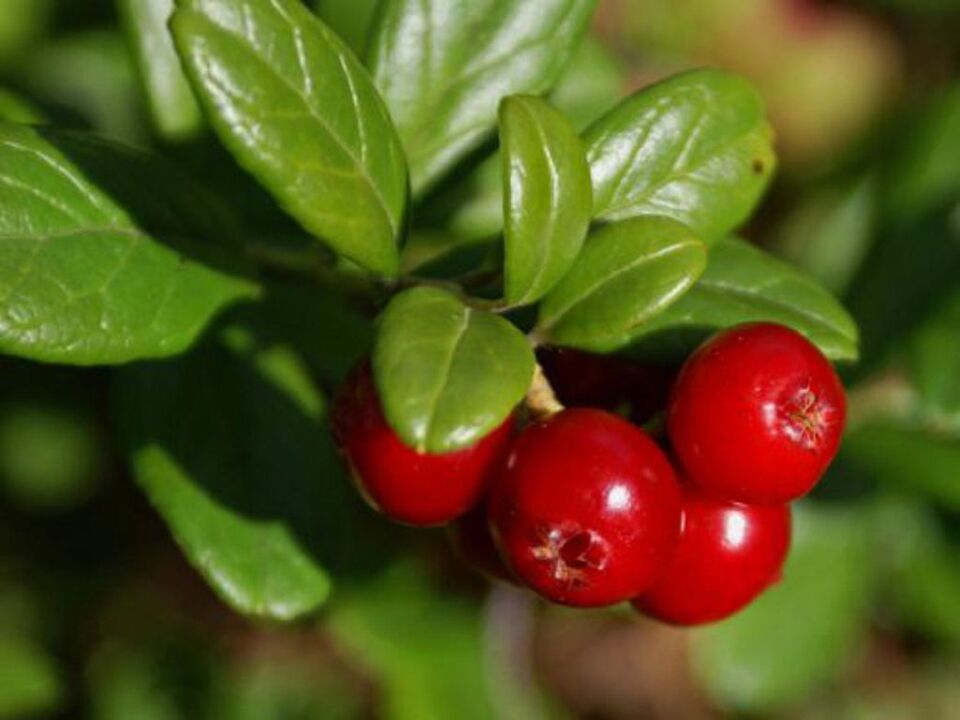
Berry treatment
They use the berries, as well as the leaves of the plant, harvested in early spring, until the nutrients and useful substances are transferred to the flowers and fruits.In folk medicine, there are many recipes from berries:
- Pour boiling water over the berries (2 cups of water per 150 g), leave for an hour, drink 0.5 cups three times a day.
- The leaves of the plant are crushed, poured into a pan, fresh water is added and put on fire.After it boils, remove it, let the soup brew for a while, take before meals 3 times a day for three months.For 60 g of raw material you will need 1 liter of water.
- For preventive purposes, it is recommended to use blackberry jam and fruit drinks in the diet.
It should be noted that berries remove potassium and calcium, which a woman needs for health and beauty, along with urine.It is important, using blackberry decoction, to enrich the diet with products that supplement the essential microelements (cottage cheese, pumpkin, parsley).
Chamomile for cystitis
The plant is used not only to make teas and decoctions.Local application of chamomile is no less effective in the fight against cystitis.The infusion is used for washing.Chamomile decoction restores the damaged mucosa, cleans the inner surface of the bladder from infection and improves blood circulation.
Arusha
The plant is known for its diuretic and antibacterial effects.An infusion of 30 ml is prepared from the leaves.Pour 30 g of crushed raw material into a glass of boiling water and leave for 45 minutes, then filter.
Traditional medicine in the treatment of cystitis is an addition to drug therapy.Their use is possible only after consulting a doctor.
The disease can be avoided if you adhere to some rules: avoid hypothermia, maintain hygiene, strengthen the immune system and do not ignore infections and inflammations that appear in the body.